A root canal on a molar may take one appointment or several. There is no visit count that fits every back tooth: the difficulty of the treatment matters, and restoring the top of the tooth with a filling or crown is part of the plan. The Australian Dental Association (ADA) says the final restoration should be discussed before treatment starts.
If you are arranging time away from work, ask about the whole course of care, not only the appointment to clean the canals. At Ellen Stirling Dental in Ellenbrook, our root canal therapy service includes a staged treatment description. Your dentist can explain which appointments apply to your tooth rather than treating that outline as a fixed timetable.
Summary of the content
- A molar can have several roots and canal spaces; the examination and X-rays help the dentist plan treatment.
- A temporary filling can be used when another root canal session is needed.
- The final filling or crown is a separate part of restoring the tooth, not something to leave out of the discussion.
Why can a molar need more than one visit?
Molars generally have up to three roots, and each root can contain more than one canal space. Better Health Channel explains that X-rays help show the number, shape and depth of the roots, giving the dentist information about how complicated treatment may be. More than one visit may be needed depending on that difficulty.
The work includes removing damaged or infected pulp, cleaning and shaping the canal spaces, and filling them. Better Health Channel notes that the cleaning stage may need to be repeated when bacteria are difficult to manage. An extra appointment is therefore not, by itself, an explanation of what is happening in your tooth; ask which stage needs more work.
Our service page describes three appointments, while the ADA explains that treatment may take one or multiple appointments. These are not a personal booking schedule. Before you commit to dates, ask how many treatment sessions are expected for your molar and whether the assessment and final restoration are included in that count.
What happens at the different stages?
The sequence below explains the main tasks, not a promise that each task takes exactly one visit. Healthdirect describes a few appointments for root canal treatment, with the details depending on your care.
Assessment and a discussion of the options
Your dentist listens to your symptoms, examines the tooth and takes X-rays to help plan treatment. Root canal treatment aims to keep a damaged or infected tooth; extraction is an alternative. Discuss whether the tooth can be treated, the risks, and the proposed restoration before deciding.
Cleaning and shaping the canals
The dentist uses local anaesthetic to numb the area and a rubber dam to keep the tooth clean and dry. They make an opening, remove the pulp, then clean, shape and disinfect the canals. If treatment needs another session, a temporary filling may be placed.
Filling the canals and restoring the top of the tooth
Once the canals are clean, they are filled and sealed. A filling or crown is then used on the top of the tooth to protect it and restore function. Ask the dentist to distinguish the canal-filling stage from the restoration you will bite on, so you know what remains to be done.
Does a temporary filling mean treatment is finished?
Not necessarily. Healthdirect describes a temporary filling between sessions when more treatment is needed. Ask what has been completed inside the tooth, what is temporary and what the next appointment will cover.
It is worth writing down the next step before leaving: another cleaning session, filling the canals, or the final restoration. Those are different parts of the treatment described by the ADA. If the appointment wording is unclear, ask the team to explain it in everyday language.
Will my molar need a crown afterwards?
A crown is often recommended for a molar after root canal treatment because these teeth carry chewing forces. The ADA says the choice between a filling and crown depends on the tooth’s position, the pressure on it and how much natural tooth remains. It is an individual recommendation, not a rule that every root-treated tooth needs the same restoration.
Ask about the restoration before the root canal starts: what is recommended, why it suits this tooth and when it would be fitted. Our guide to dental X-ray decisions also explains why images answer particular questions; it is not a substitute for the treatment-planning images your dentist recommends.
What should I expect between appointments?
Some discomfort can occur after root canal treatment. The ADA advises contacting your dentist if pain does not go away. Healthdirect recommends an urgent dental appointment for severe pain or swelling. Do not wait for a routine next session if those symptoms develop.
Ask your dentist for instructions about eating, pain relief and returning to work or other activities. Tell them about your health conditions and medicines, and follow the advice given for your treatment rather than an online recovery timetable.
Before you leave, you could ask: “What may I chew on this tooth until the next visit, and what should I do if the temporary filling changes?” The answer needs to come from the dentist caring for your tooth. General information cannot confirm the condition of a filling or whether your treatment is complete.
What are the risks and alternatives?
Root canal treatment does not always keep the tooth. Healthdirect lists complications including recurrent infection, injury to the root, discolouration, a small treatment instrument becoming stuck in a canal, and filling problems that need further treatment. In some cases, the infection cannot be managed with root canal treatment and the tooth needs to be removed.
Extraction is an alternative for a badly damaged or infected tooth. Leaving an infection untreated can damage the surrounding tissues and may lead to tooth removal. Discuss the implications of treatment, extraction or delay with your dentist; the number of appointments is only one part of that decision.
Planning your Ellenbrook appointments
You do not need to arrive knowing the names of every stage. Start by asking for a clear outline of your own treatment: the expected visits, what each one is for, and the proposed filling or crown. Healthdirect recommends discussing costs and asking questions before treatment.
- Does the estimate include the assessment, X-rays, canal treatment and final restoration?
- Which parts of the plan are provisional until you examine the tooth?
- How much appointment time should I allow, and when is the next stage?
- Who should I contact if I am worried between visits?
To ask about an appointment, call (08) 6192 1036 or use the Ellen Stirling Dental contact page. This article is general information, not a diagnosis, treatment recommendation or quote for your tooth.
Written by Dr. Rachit Shah (Dentist), Ellen Stirling Dental.
Sources
Sources checked 9 November 2026. Your dentist needs to assess your tooth and discuss suitability, risks, alternatives and the treatment sequence with you.
- Australian Dental Association: Root canal treatment.
- Healthdirect: Root canal treatment (reviewed February 2025).
- Better Health Channel: Root canal treatment (reviewed July 2025).
- Ellen Stirling Dental: Root canal therapy, author profile and contact details.
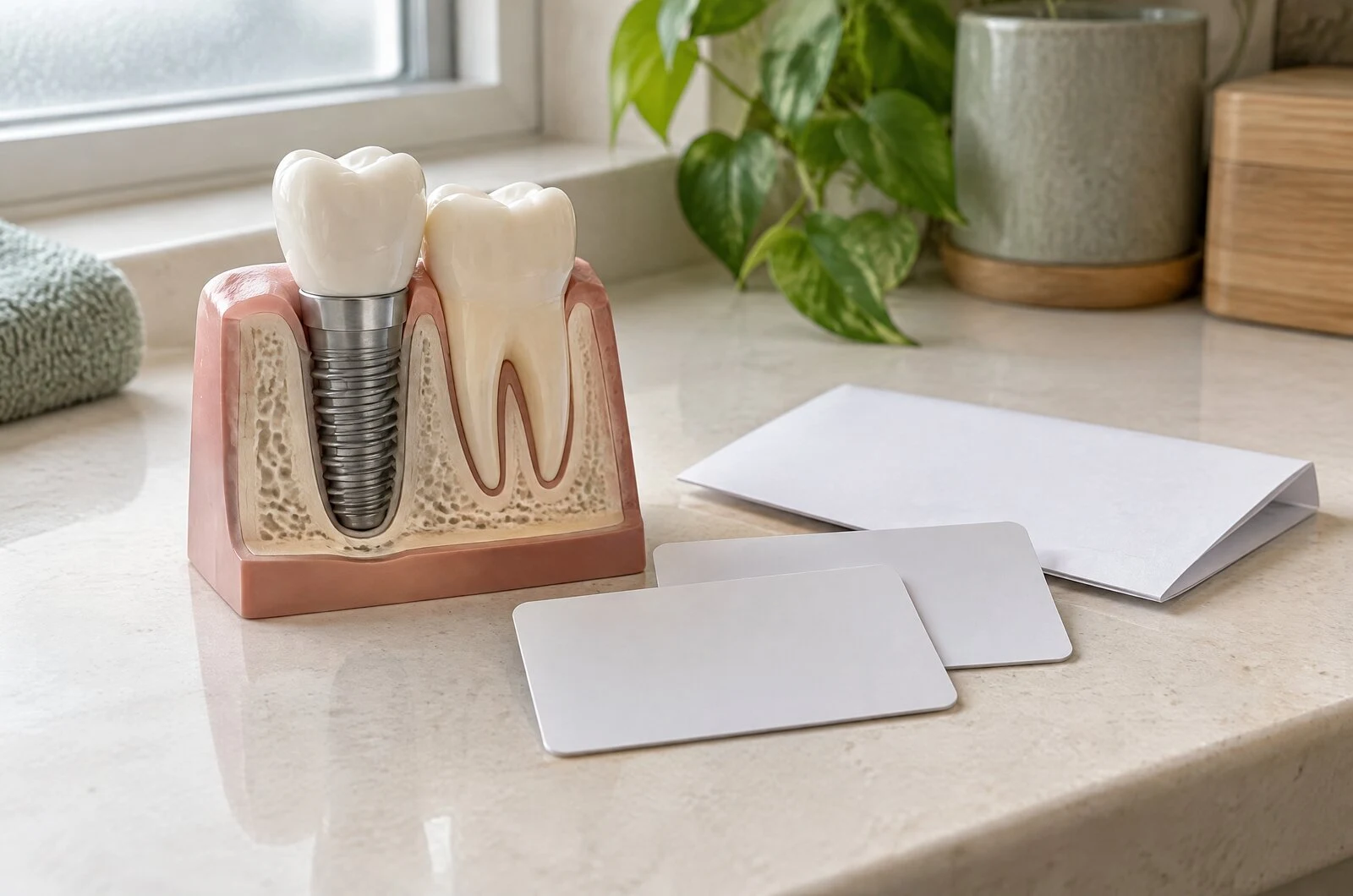
AI assistance was used to prepare this article from the sources above. The hero reuses an existing clinic website photograph as general dental-care context; it does not document this article’s treatment advice or a patient outcome. No AI-generated imagery is used.