If your child has turned two and hasn’t been to the dentist yet, you’re not alone, and it isn’t too late to book. The Australian Dental Association (ADA) recommends a first dental visit when the first teeth appear, and healthdirect suggests by the first tooth or first birthday. At two, the best step is simply to make that first appointment now rather than wait for a problem.
A first check for a toddler may not take long. At Ellen Stirling Dental in Ellenbrook, our children’s dentist service sees children at all stages of development. The ADA describes the first visit as a conversation with you, a look at your child’s mouth and tips for caring for their teeth at home.
Summary of the content
- Two is not too late for a first check-up; the ADA recommends a first visit when the first teeth appear.
- The dentist asks about your child’s health, diet and habits, then checks the teeth, gums, tongue, cheeks, lips and throat.
- Depending on your child’s age, the dentist may clean the teeth, apply fluoride or take X-rays, and will explain what they see.
Is two too late for a first dental visit?
No. The ADA recommends a first visit when the first teeth come through, and says it is best to see a dentist if a child has no teeth by 12 months. Healthdirect says children should see the dentist by the time their first tooth appears or by their first birthday, with regular check-ups after that. If your child is already two, book the first check-up now.
Baby teeth matter even though they will fall out. Healthdirect explains that they help guide the adult teeth into the right place in the jaw. The ADA notes that all 20 baby teeth usually arrive by around age three, so a two-year-old often has a mouth full of teeth to look after.
What does the dentist ask about?
The ADA describes the first visit as starting with a conversation. Your dentist may ask about your child’s general health and development, what they eat and drink, their behaviours and how their teeth are cleaned at home. Two questions often come up:
- Does your child take a bottle to bed at night?
- Do they suck their thumb, fingers or a dummy?
These aren’t trick questions. The ADA explains that these habits can affect the health of the teeth and the development of the mouth, so honest answers help the dentist give advice that fits your child.
What does the dentist check?
Your dentist checks the inside and outside of your child’s mouth, including the teeth, tongue, cheeks, gums, lips and throat. For a toddler with only some teeth, the ADA notes this may not take long. Our children’s dentist page explains that regular visits help us identify problems such as decayed teeth, tooth grinding, enlarged tonsils or bleeding gums, so they can be addressed before they become more serious.
Depending on how old your child is, the ADA says the dentist may:
- clean your child’s teeth
- put fluoride on the teeth
- take X-rays.
Not every child needs all of these at a first visit. If X-rays are suggested, ask what question they will answer; our guide to dental X-rays at check-ups explains why the timing differs from person to person. If your child needs treatment, the ADA notes the dentist may refer them to a paediatric dentist, a specialist children’s dentist.
What will we talk about for home care?
Expect practical advice rather than a lecture. Healthdirect says a child’s dentist can talk with you about brushing technique, healthy food and drink choices, teething, and how habits such as thumb sucking or dummy use can affect the teeth and jaw.
Some of the general guidance from healthdirect and the ADA for toddlers includes:
- From 18 months, brush twice a day with a soft toothbrush and a small pea-sized amount of fluoride toothpaste. Your toddler should spit it out, not swallow or rinse.
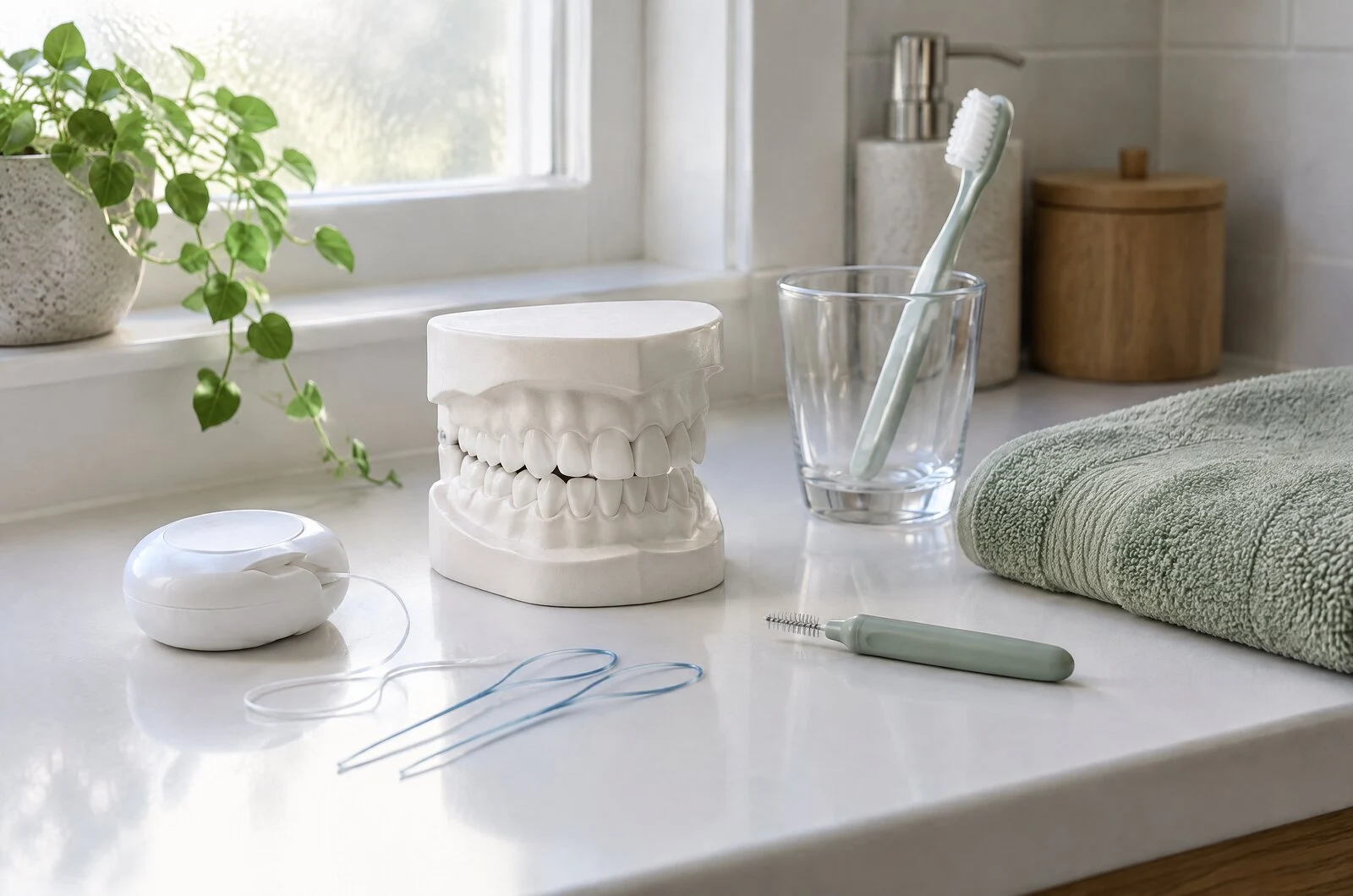
- Once two teeth touch side by side, clean between them with floss. The ADA says this is often around two years of age, and your dentist can show you how.
- Avoid putting your child to bed with a bottle of milk, formula, juice or other sweet drinks, and offer water when they are thirsty.
Between visits, the ADA suggests lifting your child’s top lip and rolling down the bottom lip to look at the teeth. White, brown or black spots that don’t come off can be a sign of tooth decay and are a reason to make an appointment. This home check doesn’t replace a check-up.
How can I prepare my two-year-old?
The ADA has some simple ideas for getting a child ready for the first and later visits:
- Talk about what happens at the dentist and read positive dental story books together.
- Play dentist at home, taking turns as patient and dentist. A spoon makes a good pretend mirror for counting teeth.
- Keep your own tone positive, and avoid scary stories or using the dentist as a threat.
- If you feel nervous about the dentist yourself, try not to show it, and skip “be brave”, which can suggest there is something to fear.
When should I book sooner than a routine visit?
Healthdirect recommends seeing the dentist as soon as you think there may be a dental problem, if you notice dark spots on the teeth, or if the top and bottom teeth don’t come together when your child bites. Don’t wait for a routine check-up if you see those signs.
Can the Child Dental Benefits Schedule help with the cost?
It may. Services Australia says a child can get the Child Dental Benefits Schedule (CDBS) if they are eligible for Medicare, aged 0 to 17 for at least one day that calendar year, and they or their parent, carer or guardian get an eligible payment that year. You don’t need to apply: Services Australia sends a letter if your child is eligible. Healthdirect lists check-ups and cleaning, X-rays, fissure sealing and fillings among the services the CDBS can help pay for.
Ellen Stirling Dental accepts the CDBS. When you book, our team can help you check your child’s balance, and you can ask for a quote for the check-up. Our article on what Medicare covers for dental care in Ellenbrook explains how the CDBS sits alongside other options.
Booking your child’s first visit in Ellenbrook
You don’t need to have everything perfect before you come in. Bring any questions about brushing, bottles, dummies or teething, and let us know about your child’s health and any medicines. Your dentist will look at your child’s mouth, explain what they see and talk through any next steps. You can ask for a quote before any treatment.
To book, call (08) 6192 1036 or use the Ellen Stirling Dental contact page. This article is general information, not a diagnosis or treatment recommendation for your child.
Written by Dr. Rachit Shah (Dentist), Ellen Stirling Dental.
Sources
Sources checked 16 November 2026. Your dentist needs to assess your child and discuss suitability, risks and options with you.
- Australian Dental Association: When should my baby have their first dental visit?
- Australian Dental Association: Baby and toddler oral health
- Healthdirect: Looking after your baby or child’s teeth
- Services Australia: Who can get the Child Dental Benefits Schedule
- Ellen Stirling Dental: Children’s dentist, Child Dental Benefits Schedule, author profile and contact details.